One more day motorcycling around scenic historic places, time to share with you my harvest from riding around the South East part of Attiki region this time (or Attica as many maps read, Attiki is the closest to its original Greek name though).
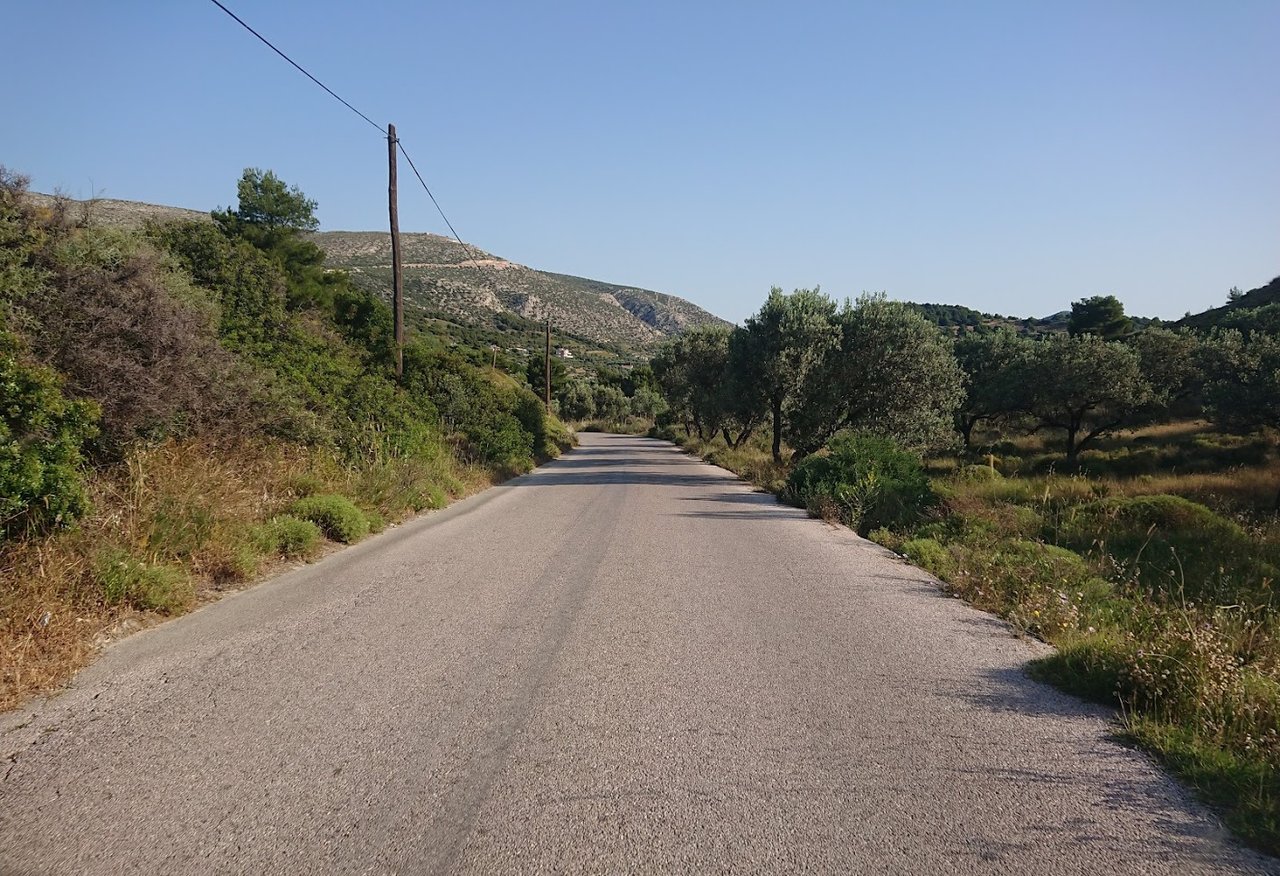
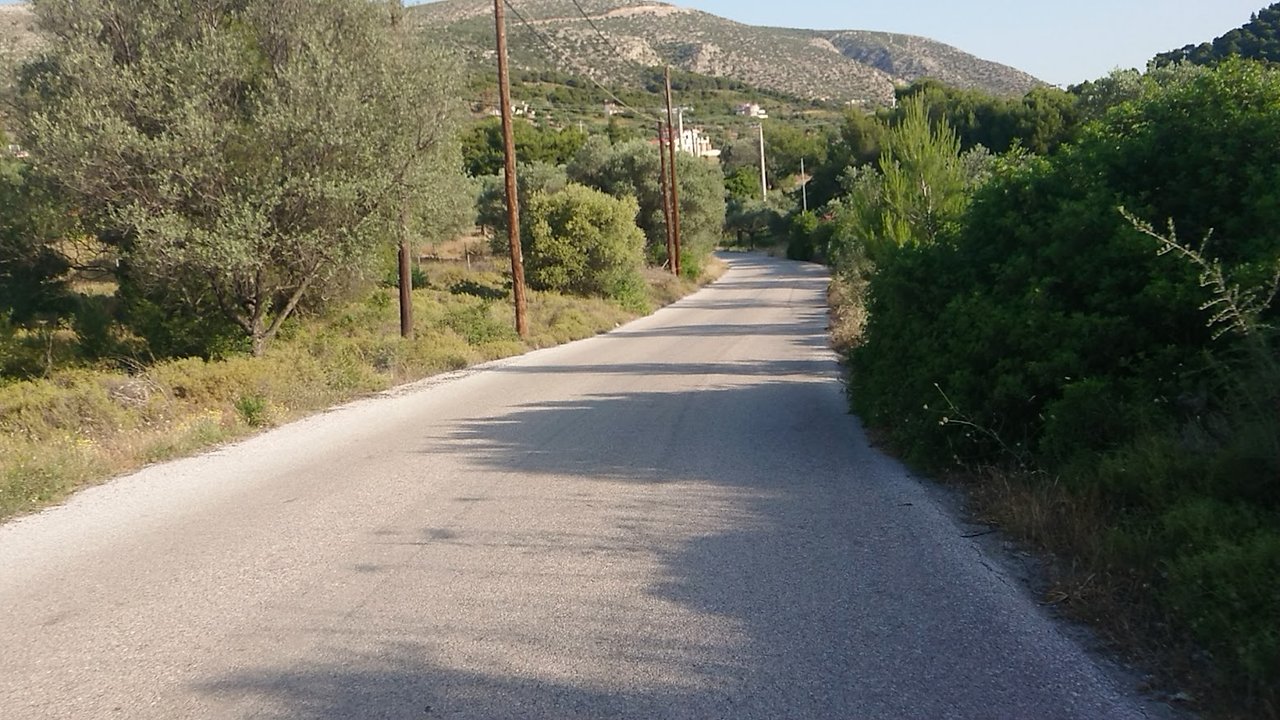
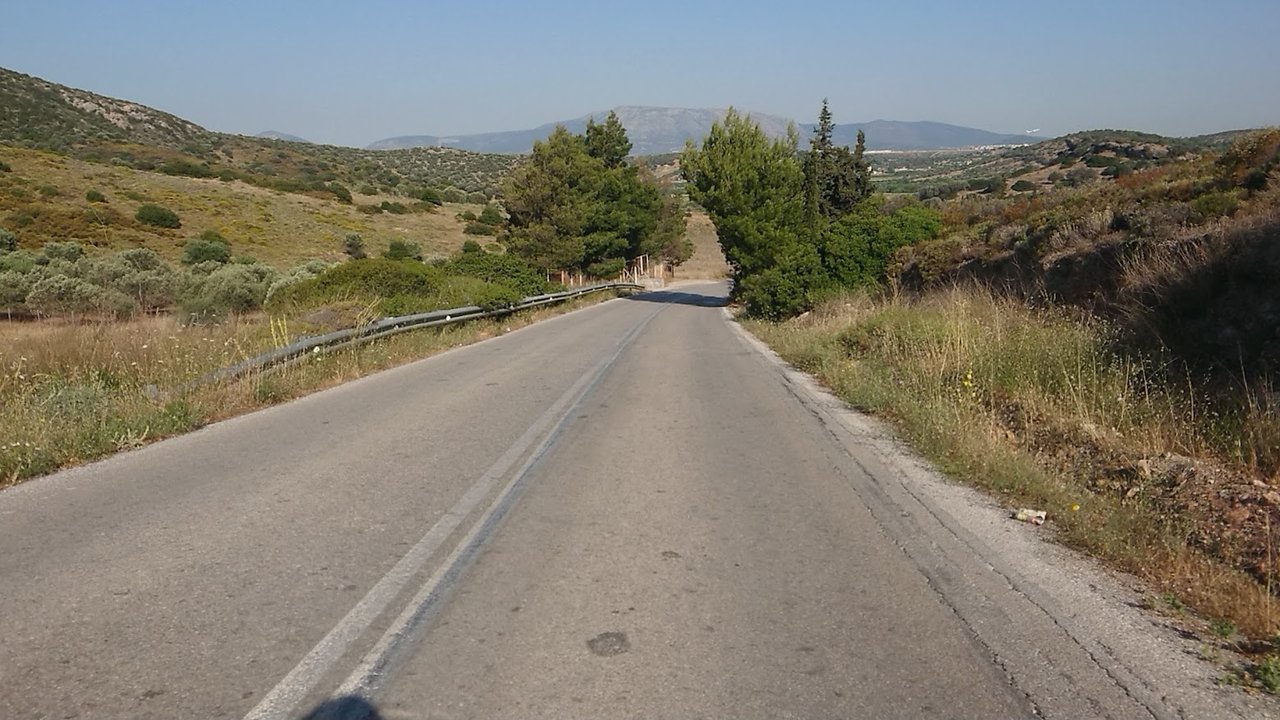
The 85 road has bad tarmac quality, sometimes reaching soaped marble levels (hence I drive conservatively in some parts you'll see in a video later) but it's a nice ride that takes you around some olive groves:
 |  |

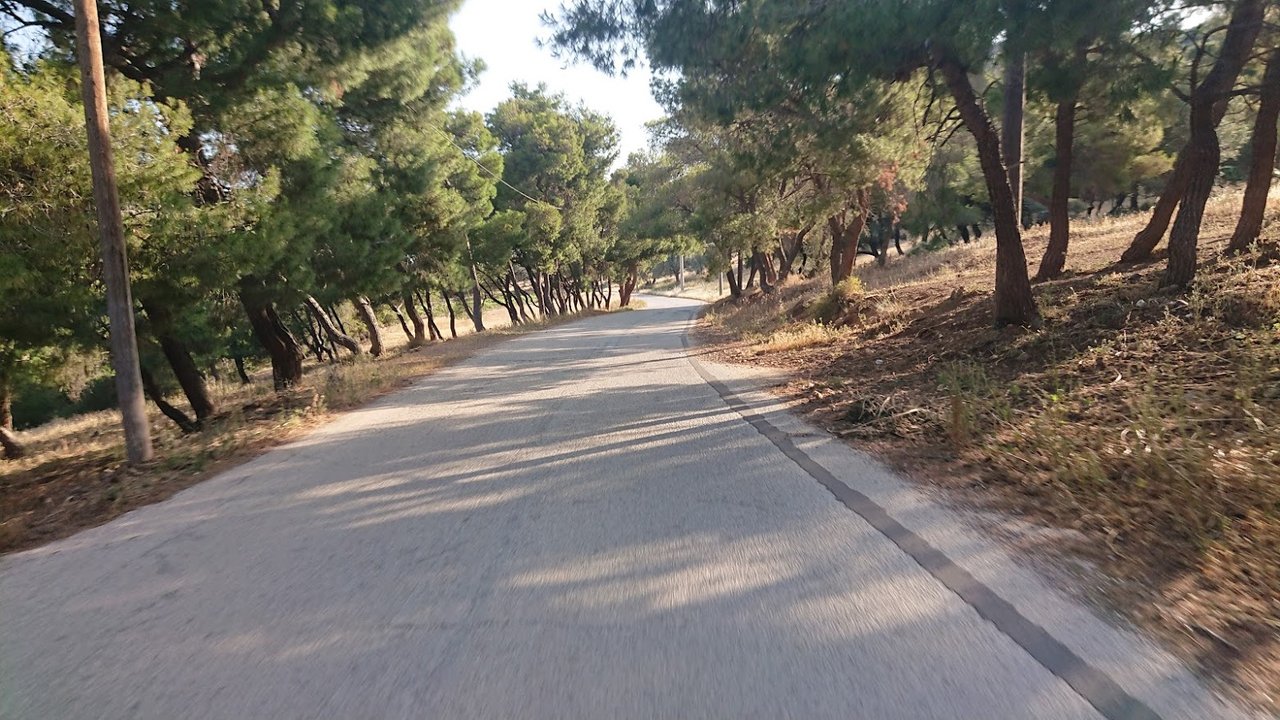
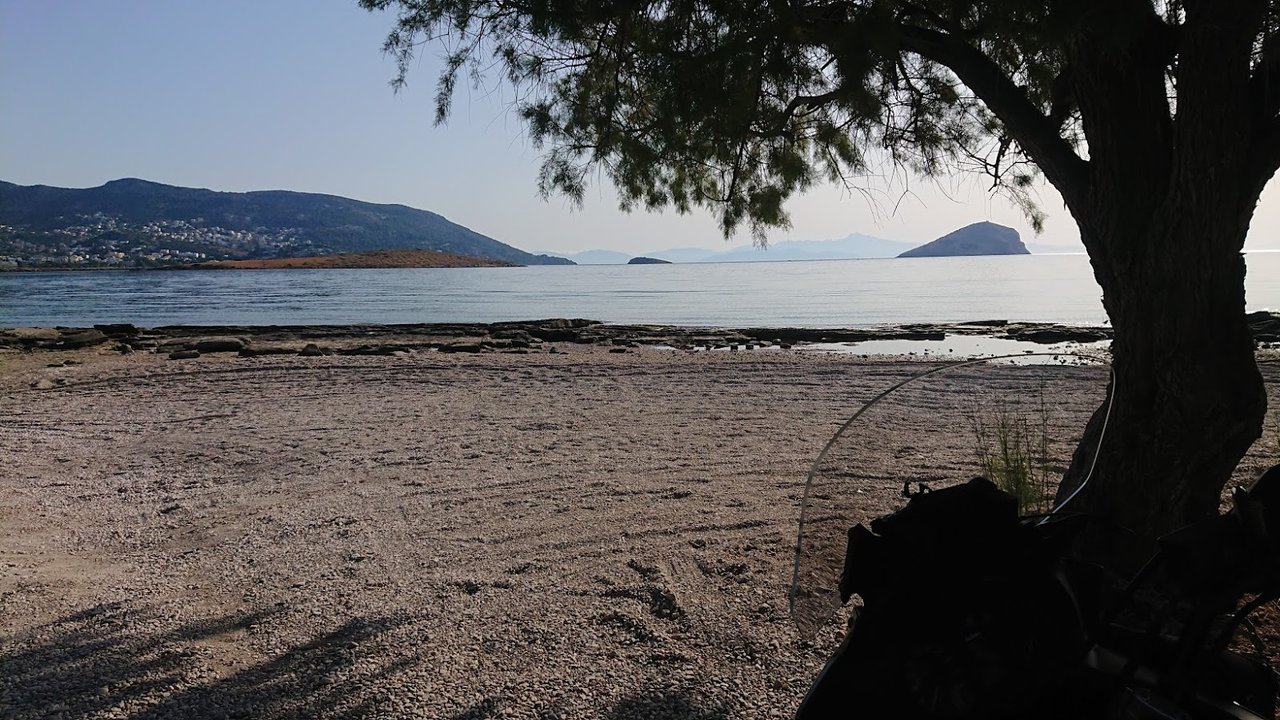
It's one of the most famous swimming destinations around hence that view is rare (early bird's gift):
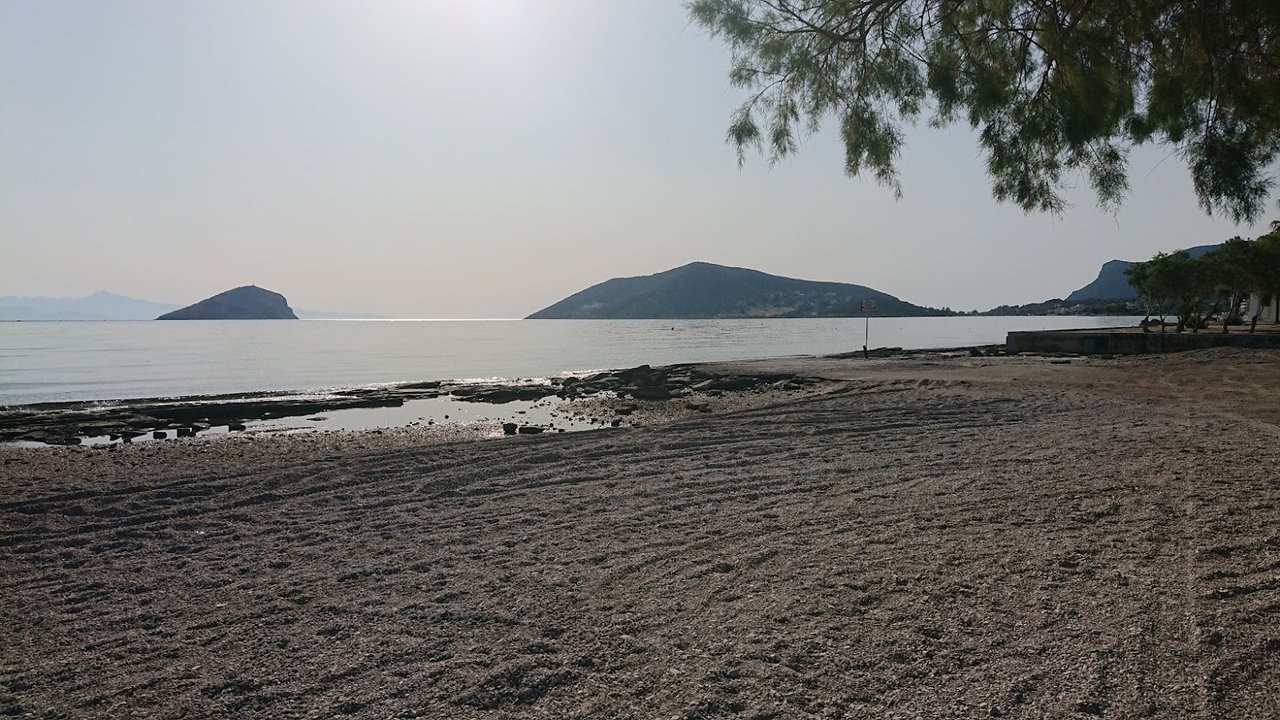 | 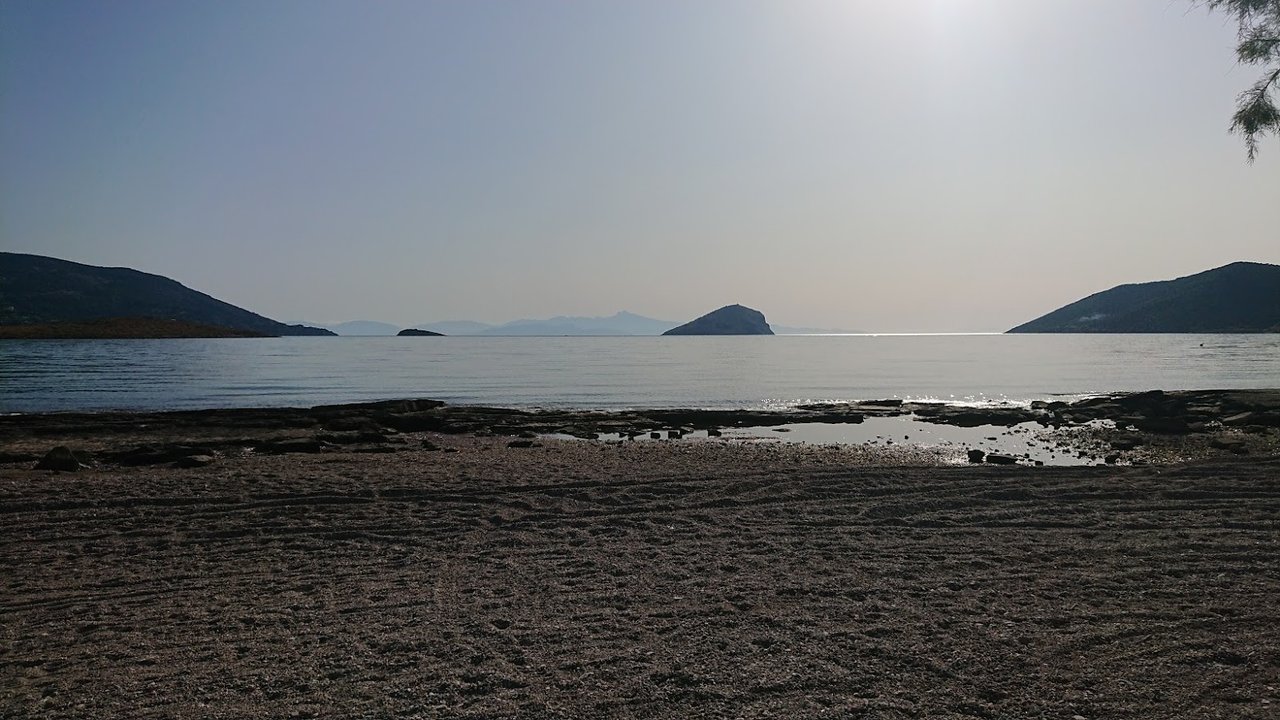 | 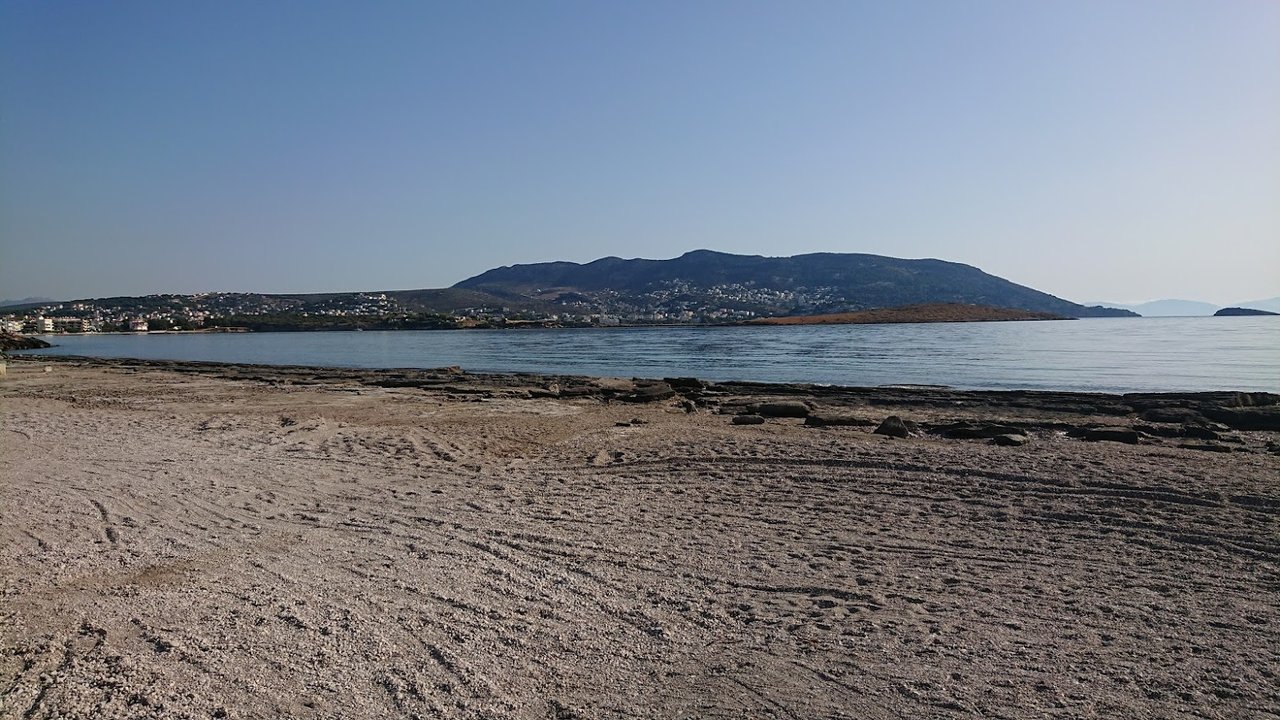 |
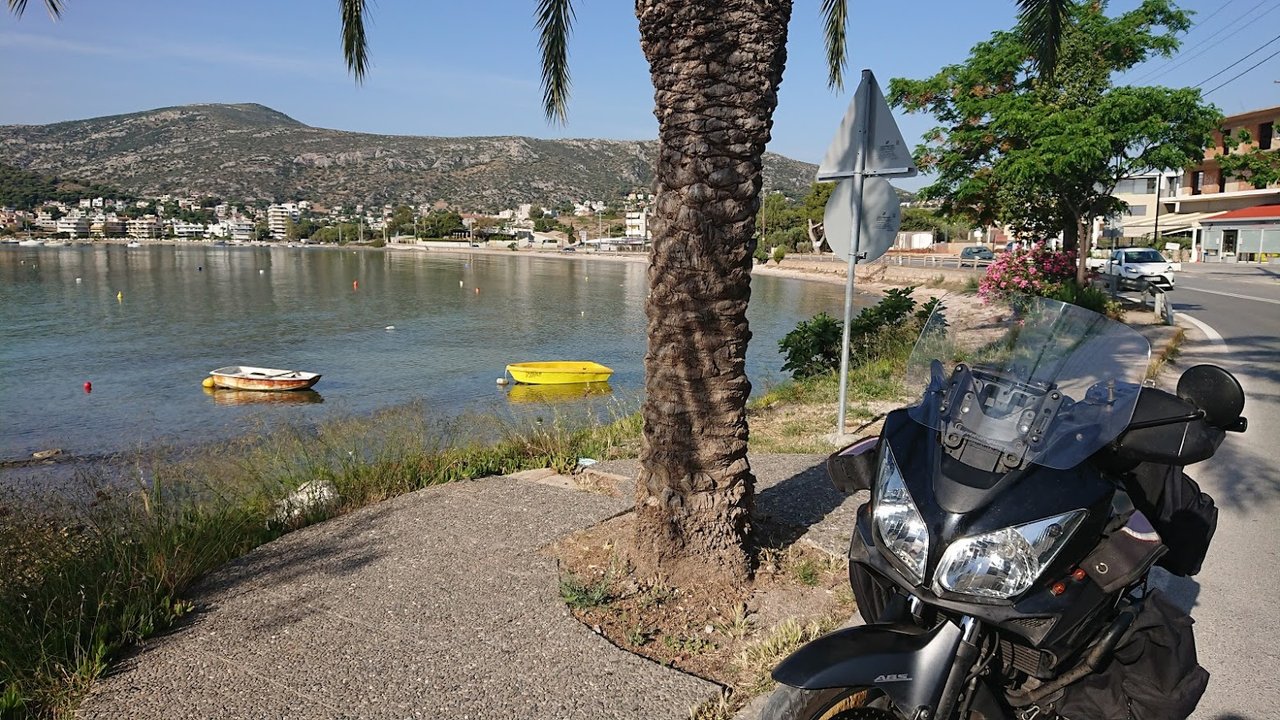
Right next to it on the North side is the bay of Porto Rafti. Lovely early morning moment without much crowd around:
 | 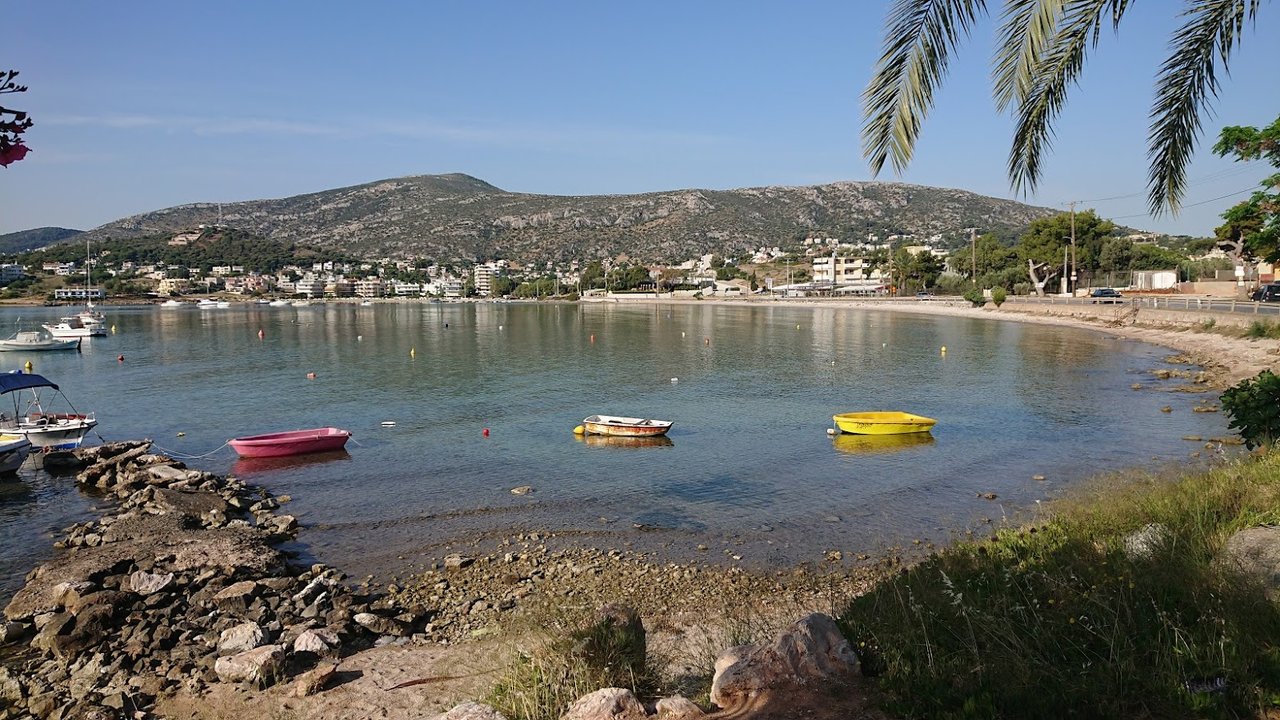 | 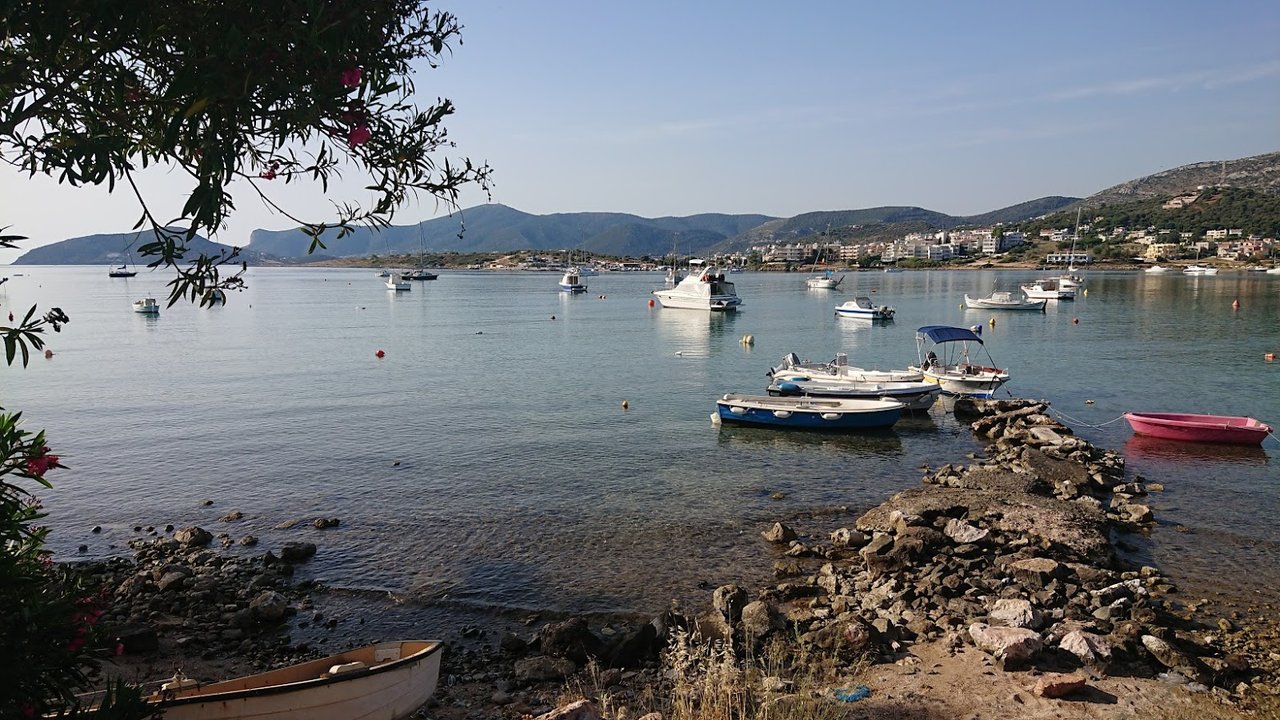 |
Beach hunting is effortless in this area and only a a moment later I am at Agios Spyridon beach:
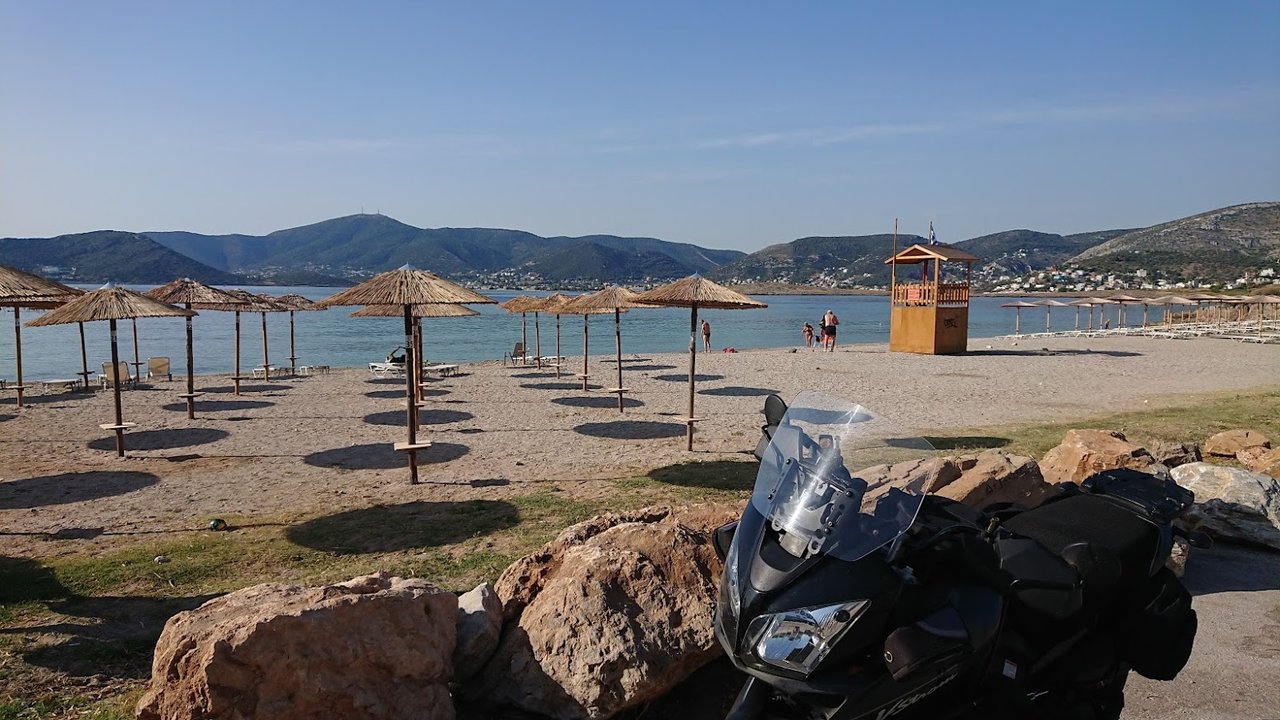 | 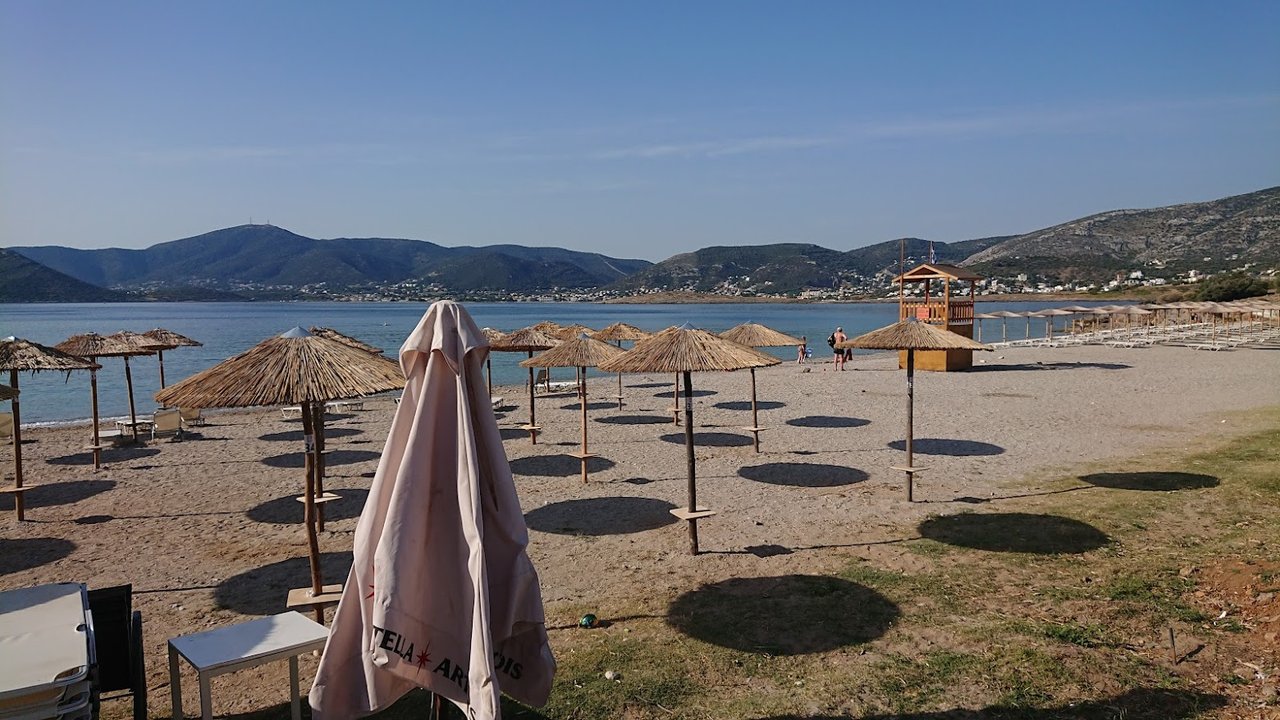 |
From there it's only a very short but nice ride up to Vravrona:
You can watch a summary of clips from the ride so far in this video:
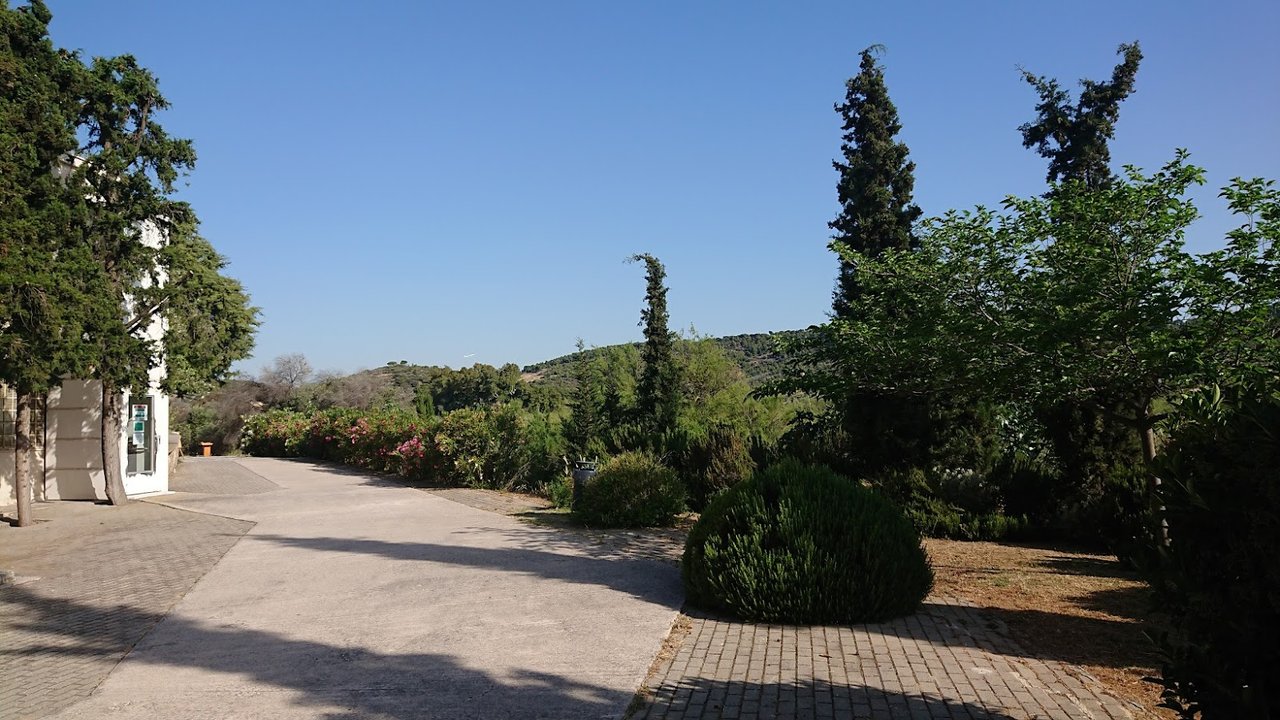 | 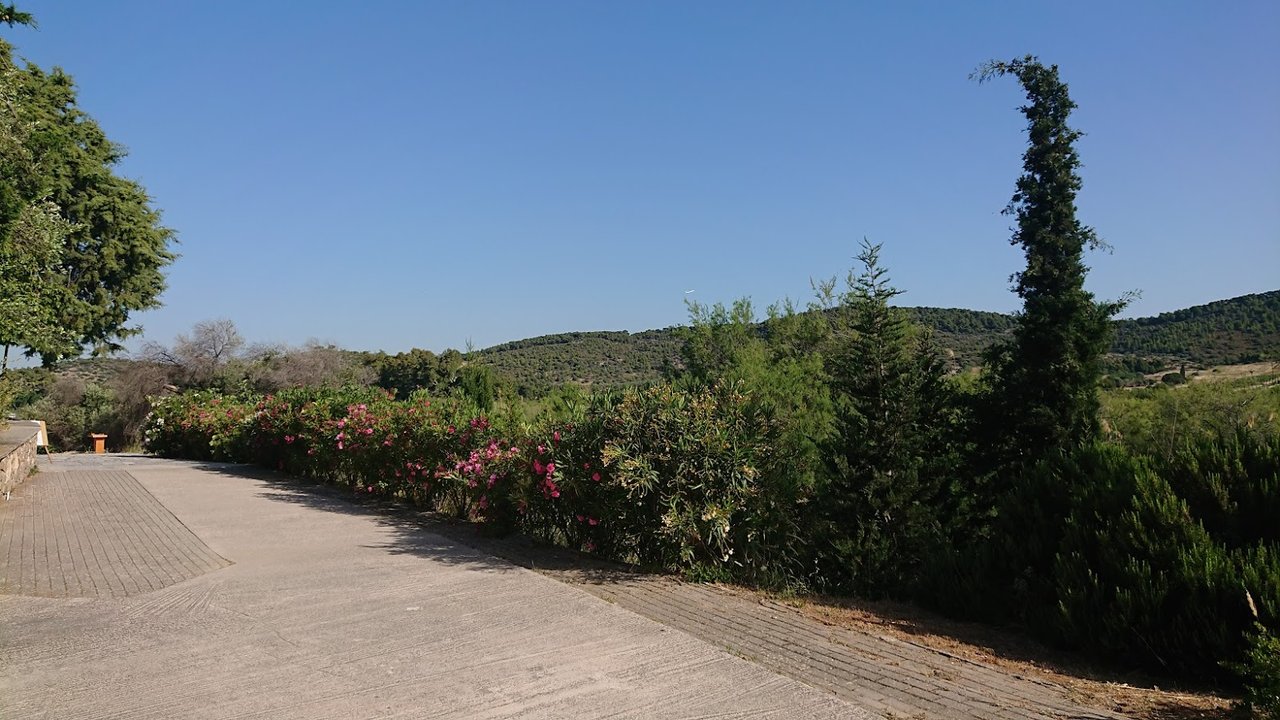 |
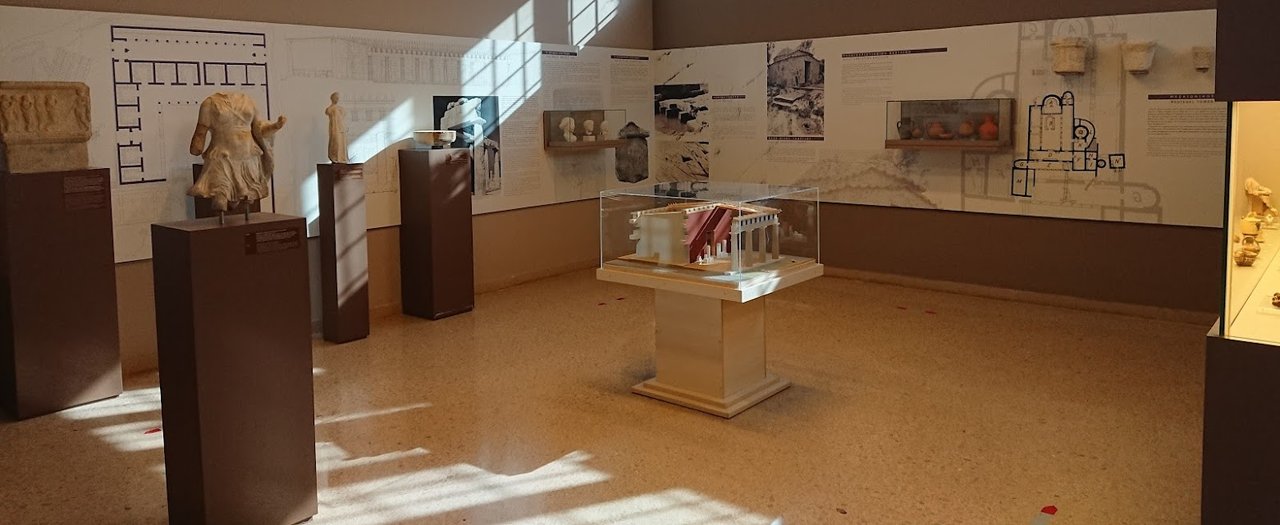
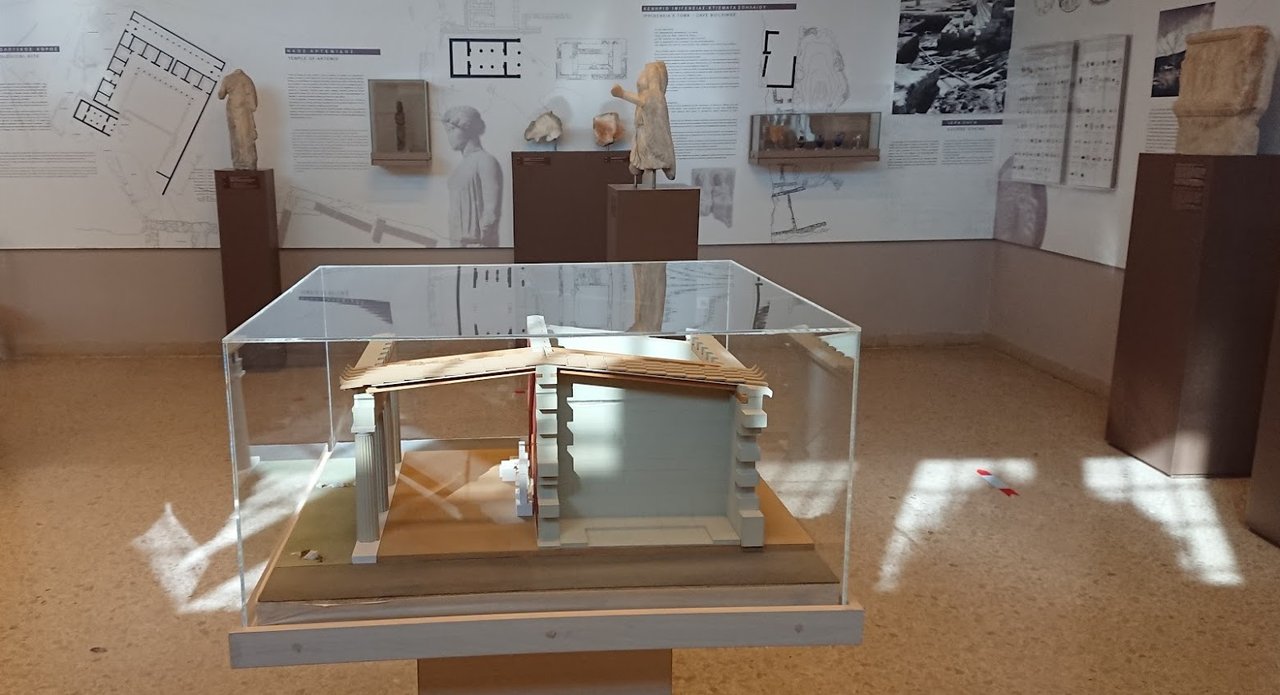
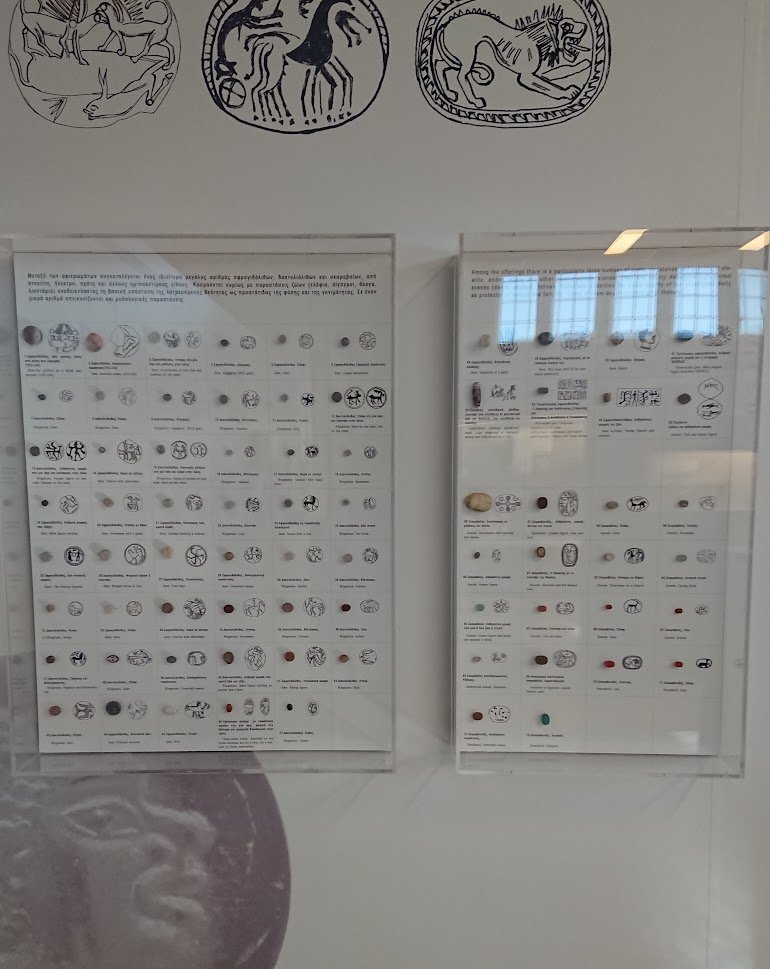
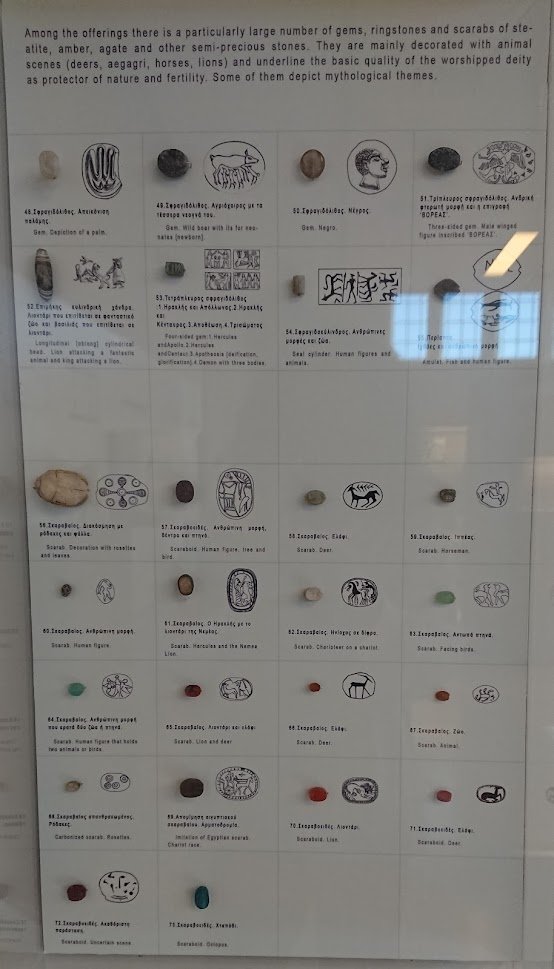
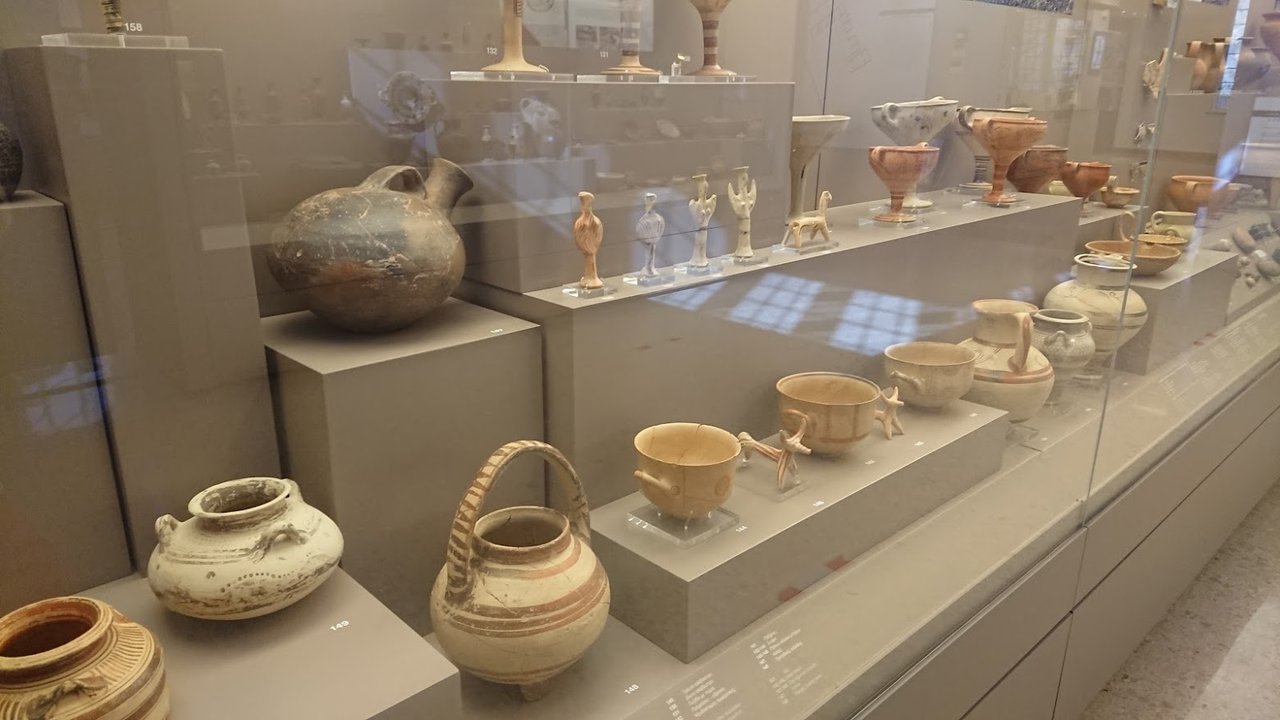
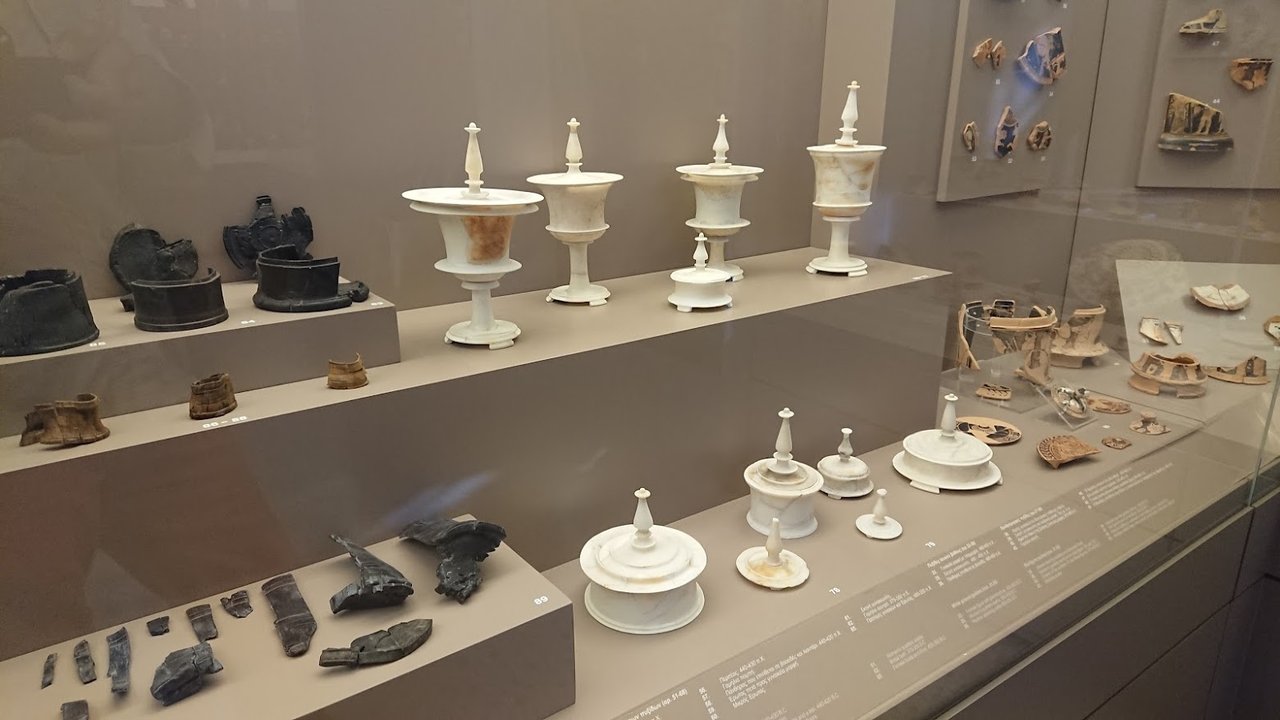
The first building left of the entrance is the museum and also where they issue the tickets. The museum is larger than I expected and definitely makes your 6 euros (for both the ancient site and museum) worth it. The items are well exhibited and the signs are very detailed and descriptive:
 |  |
 |  |
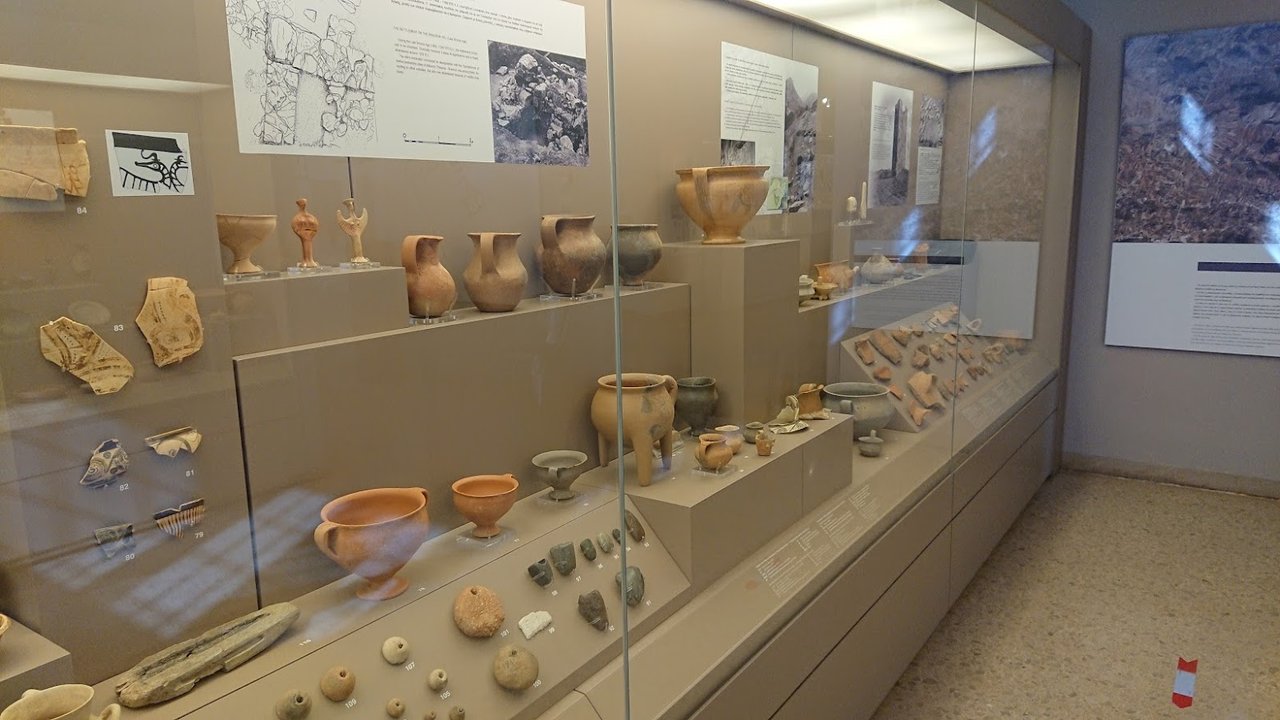
Legend says that Artemis's worshipping was introduced to Attiki by Ifigeneia and Orestis (yes, that's also my name "Ορέστης"). I can only imagine the ancient human activity of this place by the amount of items found around and exhibited at the museum (imagine how many others were never found):
 |  |  |
A bronze pot of the 5th B.C. catches my eye:
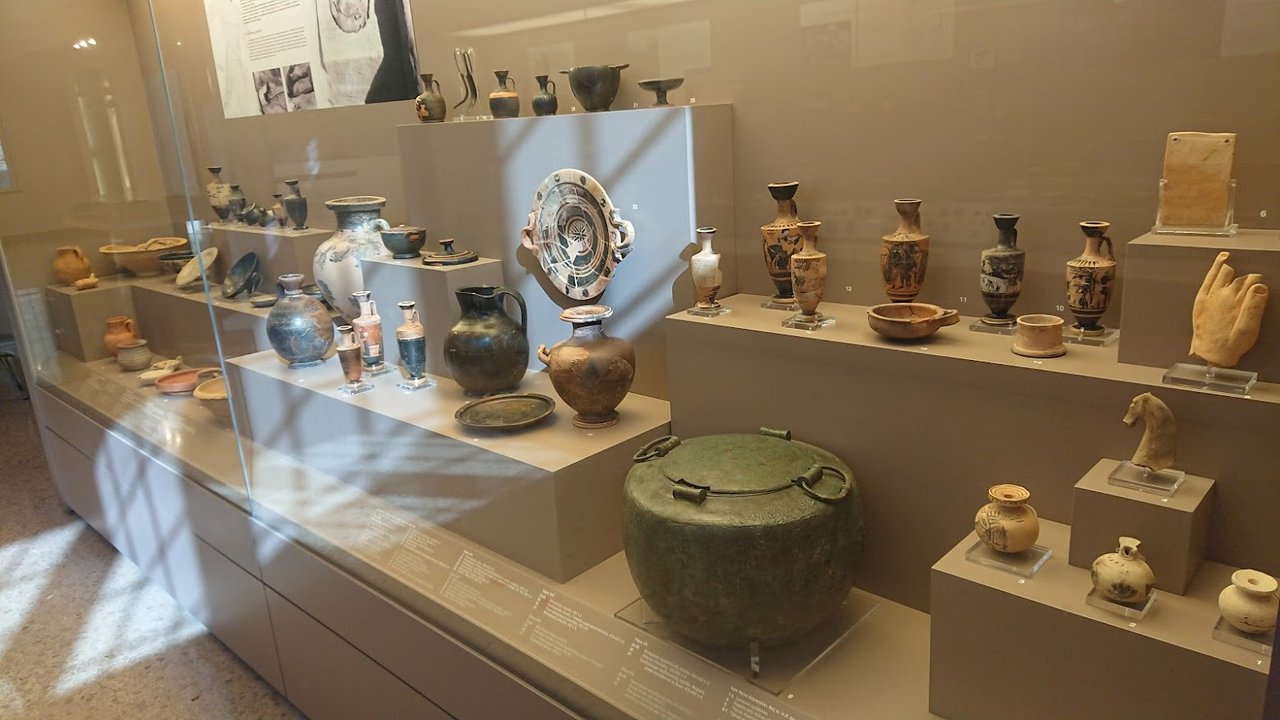 | 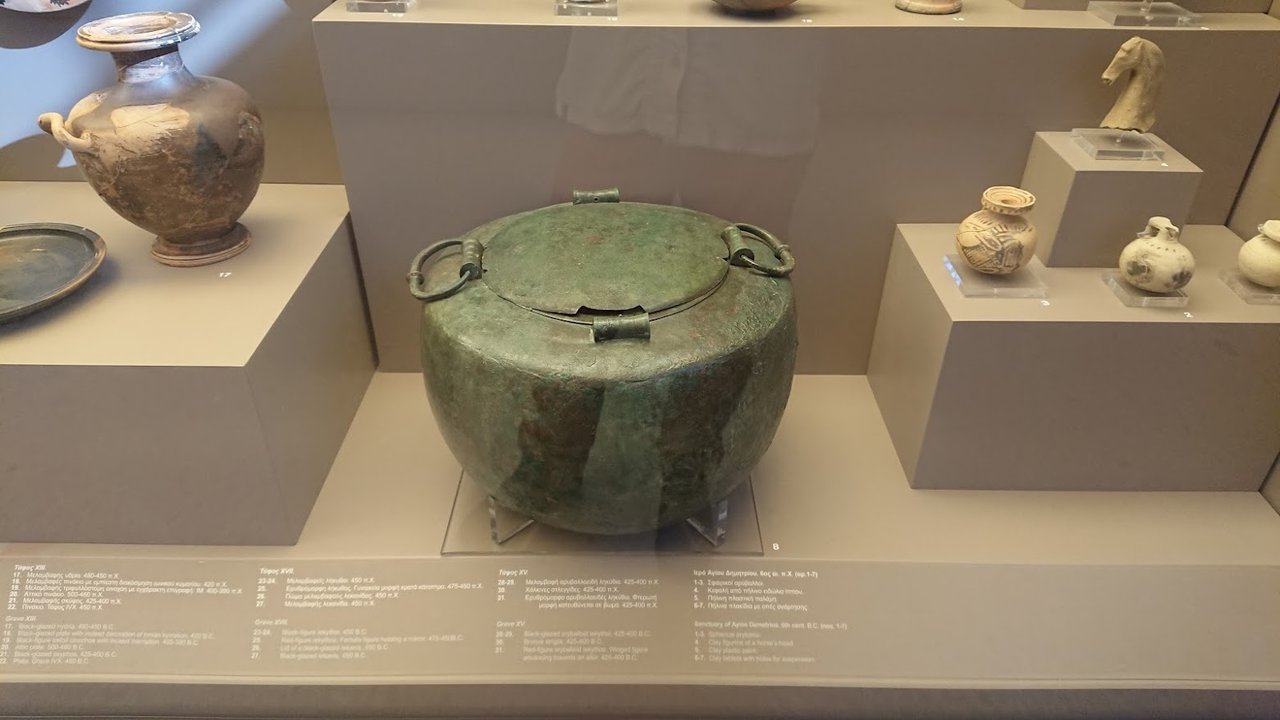 |
It's impressive to imagine how much time it took them to make a thing like this back in the day in total absence of the technology we have today.
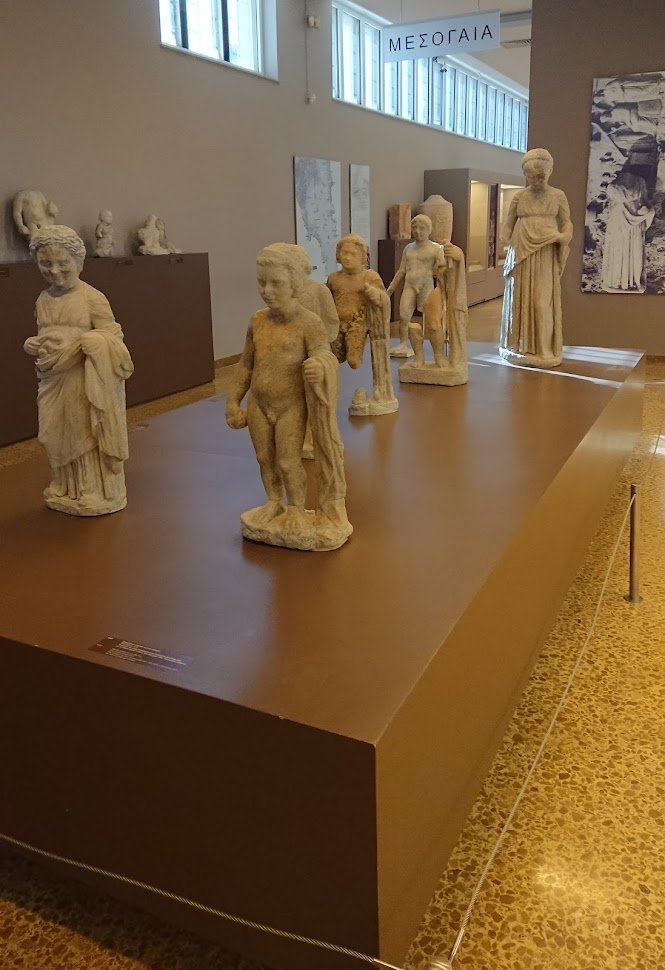
Artemis (daughter of Zeus and Leto) apart from being Goddess of Hunt and Wilderness she was also worshipped as Goddess of Childbirth hence room 3 of the museum has a great amount of marble statues of toddlers and kids:
Time to leave the museum behind and walk the rest of the site. Can't wait!
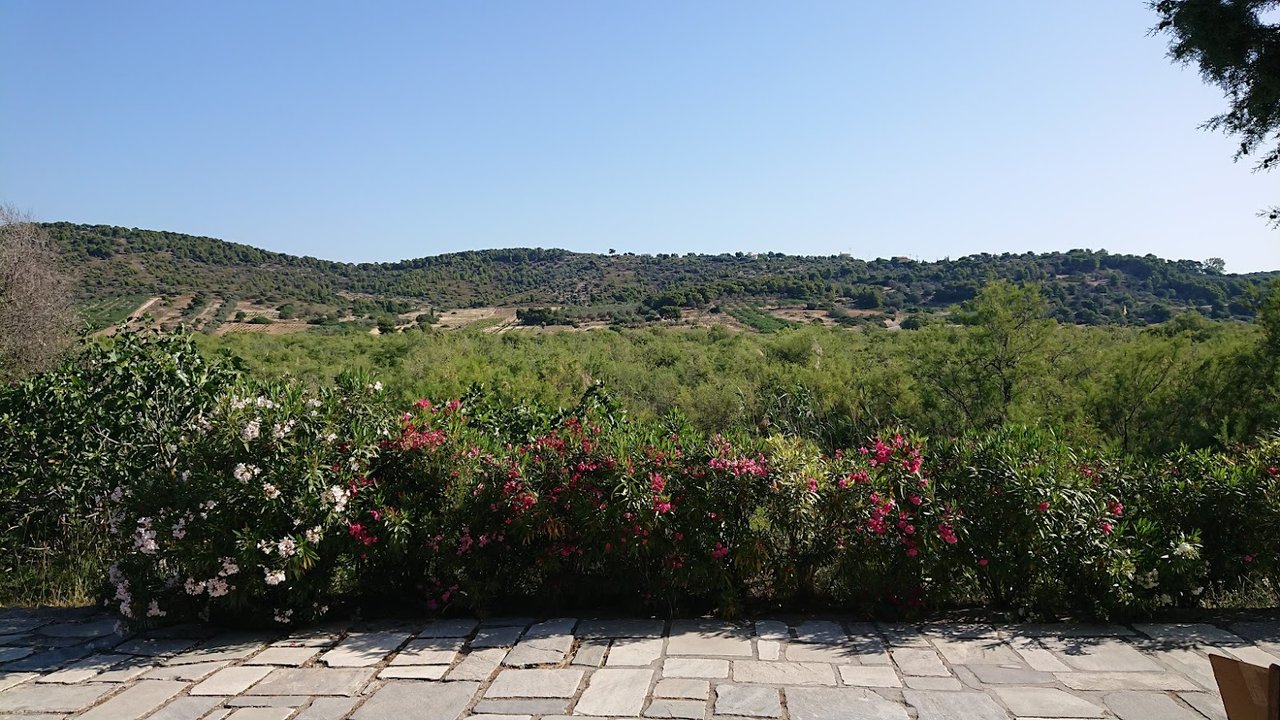
As I exit the building I can't spare me picturing all these amazing colours for one more time:
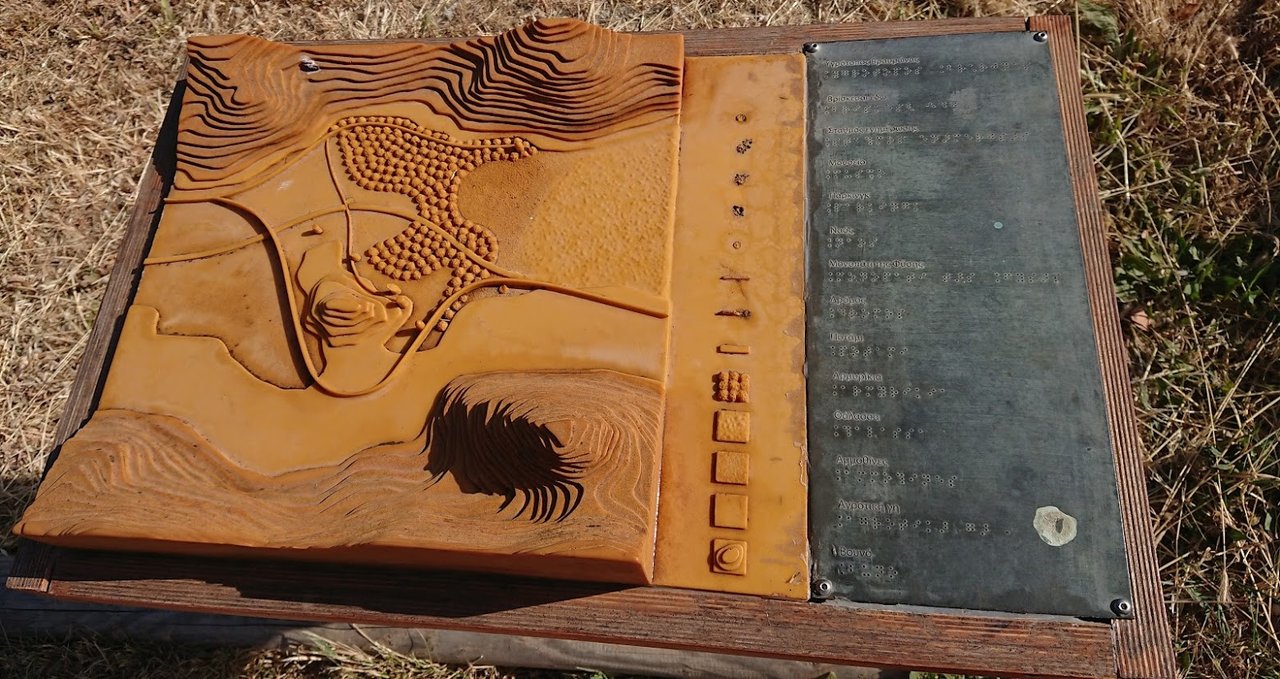
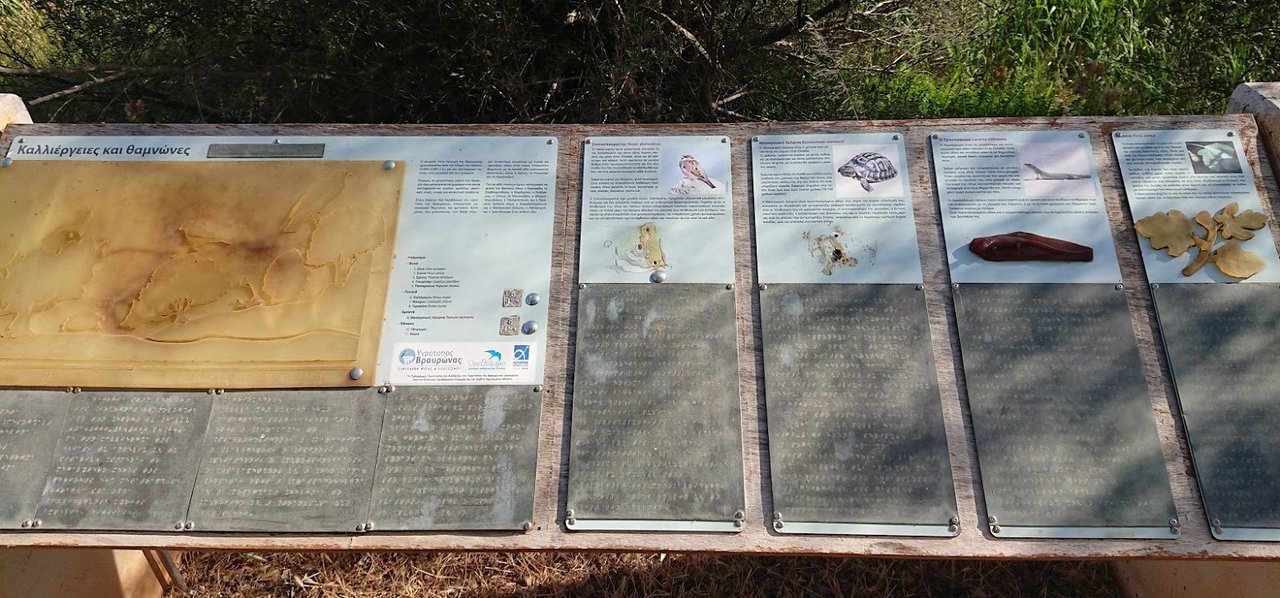
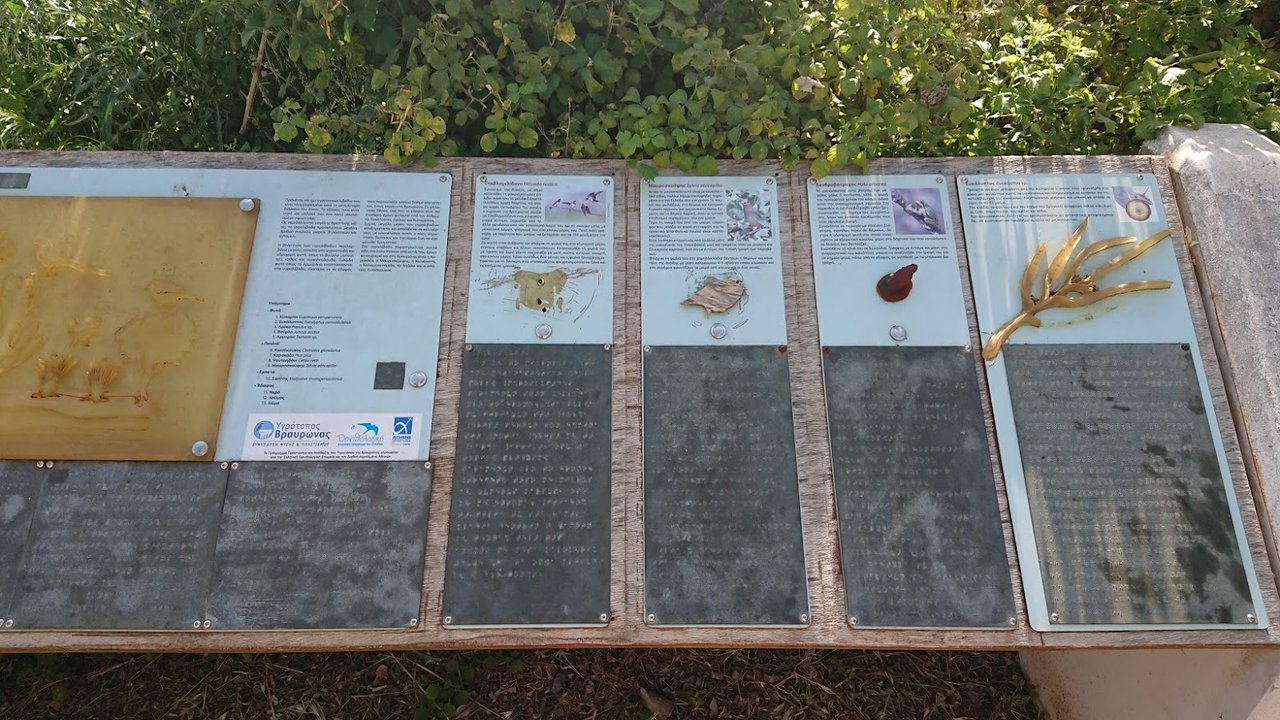
I find it a very nice touch to put blind friendly sings with info about not just the place but also its vegetation and fauna:
 |  |  |


As I enter the whole place puts a smile on my face from ear to ear:


Excavations during the middle of the previous century brought this treasure to light after the first attempts in the mid 40s. As you can see above it's a pity that the only part of the site that was possible to be restored is this Stoa but even this alone, especially combined with the amazing vibes of the spot, definitely worth the visit. To be fair, the Stoa wasn't finished in the first place. A closer look shows the obvious attempts to fill the missing parts during the restoration process:


As you can see in the following image there used to be one more Stoa behind the main one (right side):


You can hear them and their feathered friends composing an irreplaceable soundtrack for this place in this video:

If the following image was taken back in the day it would have captured the temple of Artemis in its full glory but today 2500+ years later it's only this unfortunately:


And this is how the site looks from its SW corner:

In front of the temple of Artemis this stone bridge still survives:


It is located right at the end of the road that used to connect the temple with the city of Athens. It might look a bit pointless today but imagine that the landscape was much different 2500+ years ago when the local river "Erasinos" had to be bridged, especially since it's located in front of the temple of Artemis with the obvious respect this required.
Here's the back of Stoa captured from the North side of the site:


This thing has a diameter of some good 120cm if not more. Imagine its age!


Hope you enjoyed it as much as I did,

No comments:
Post a Comment